
Searching how to become a NDIS provider means you’re ready to help…but may not know where to start. For new providers, the application process can seem complicated, full of compliance issues, and strewn with confusing jargon. That’s completely understandable.
In fact, if you’re feeling overwhelmed by all of the information out there, you’re not alone. That’s why this guide was created. To clarify, not confuse.
It breaks down the steps, what to actually expect, and mistakes others make when applying to become registered with the NDIS. Not just for compliance, but to help you understand why building online visibility, trust, and communication begins on day one—especially in an industry rooted in care and accountability.
And while many new service providers fail to realise how early consultation with a Healthcare Marketing Agency can benefit (and support) growth down the track, helping you communicate clearly to participants about what you offer, your values, and your capability as soon as you get approved.
The decisions you make before and during your application impact everything—including long-term sustainability, down to having the right business structure in place and investing in NDIS Website Design early on.
Ready to learn what you need to do, what you need to prepare, and how to confidently take the next steps? Read on.
What Does It Really Mean to Be a NDIS Provider?
Being an NDIS provider means you are an individual or organisation approved to provide funded support to people with disability under the National Disability Insurance Scheme.
As an NDIS provider, you can provide anything from everyday personal care to community participation, therapy supports, nursing care, or support coordination.
There are different types of NDIS providers however. Specifically:
- a registered provider
- an unregistered provider
While this decision impacts who you can support, how you get paid, and what level of compliance you’re required to adhere to, only registered providers can support participants with an NDIA-managed plan. As such, registration is compulsory and overseen by the National Disability Insurance Scheme (NDIS) Quality and Safeguards Commission.
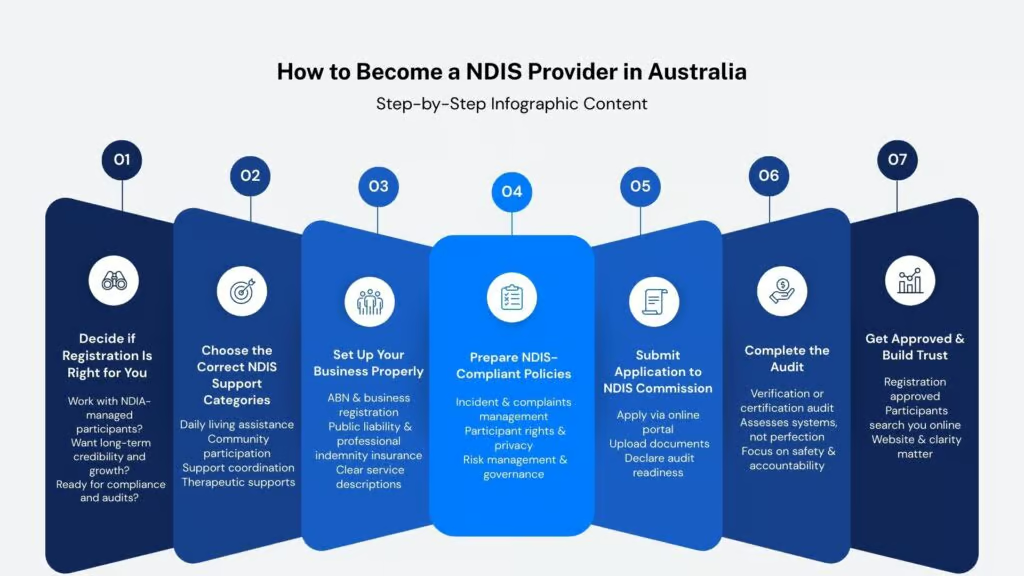
Step 1: Decide if NDIS Registration Is the Right Path
Think carefully about whether applying to become an NDIS provider is right for you. While we recommend registration for most service providers…
You should apply to become an NDIS provider if:
- You want to build for the future
- You want to work with NDIA managed participants
- You plan to grow your business beyond referrals
Becoming an official, registered NDIS provider does require jumping through some compliance hoops (registration audits, policies, procedures, etc.) but it also sets you up to build trust with participants, their families, and referrers from day one.
Step 2: Choose the Correct NDIS Support Categories
When you register as an NDIS provider, you can’t simply register ‘generally’ to provide supports. You must only select the categories of support you are trained and prepared to provide.
Some of the most common support categories include:
- Daily living support
- Help with community activities
- Support Coordination
- Therapeutic support
Choosing incorrect categories, or too many categories your business cannot genuinely provide are some of the most common reasons providers have their applications held for revision or refused entirely. By choosing wisely (and realistically) you not only protect yourself during registration audits, but ensure a sustainable service offering moving forward.
Step 3: Set Up Your Business Foundations Properly
Preparing your business for registration should be done before you start the application process. At minimum, this includes:
- Your Australian Business Number (ABN) and business registration
- Correct insurance
- Service descriptions
- Roles and responsibilities
Something else many new providers don’t consider is your positioning as a brand. Clear differentiation and branding (through a Healthcare Branding Agency) helps you establish your business as professional and credible long before audit teams or participants take notice.
Step 4: Develop NDIS-Compliant Policies and Procedures
Policies and procedures aren’t there to make your life difficult. They are there to demonstrate how you will ensure the safety, dignity, and rights of participants are always considered.
While there are some broad policies all NDIS providers need, many of your policies will be specific to the support categories you select.
Typically, these include:
- Incident reporting and complaints
- Risk management
- Privacy, consent, and disclosure
- Governance
- Quality assurance, improvement and feedback
It’s not recommended you use generic policies found online because they will likely not pass an audit. Policies and procedures should be reflective of how you actually operate. While there is lots of conflicting information on what policies you need, you can find clear information on expectations here and here.
Step 5: Submit Your Application to the NDIS Commission
With your documentation in hand, you’re ready to apply through the NDIS Commission website. Simply create an account, fill in your details, and pay the registration fee.
From here, you’ll be prompted to upload your supporting documents, select your support categories, and confirm your audit readiness.
Be thorough. Missing information, inconsistent service descriptions, and unclear processes can lead to months of waiting for additional information. Make it easy for the registration team by ensuring your application is ready too.
Step 6: Complete the Audit Process
Registration audits are the final step in your application process. The level of audit you receive is determined by the supports you provide.
Generally speaking:
- Registration support categories receive a Verification audit.
- All other support categories receive a Certification audit.
Audits can be undertaken remotely or in-person, and whilst they may seem daunting, the audits are there to ensure your written processes are reflected in day-to-day operations. They are not looking for perfection, but understanding, accountability, and processes which put participants first.
Step 7: Approval Is the Start—Not the Finish
Great. You’re registered. Celebrate that accomplishment. But remember, great service doesn’t end with registration.
As soon as you become approved to provide supports, potential participants will Google you. How you present online becomes just as important as word-of-mouth recommendations.
NDIS Website Design may not seem like a priority during registration, but when participants can’t understand what you offer, who you can help, or whether you accept new clients online—it makes them hesitant. And that’s not what you want.
Here at The Digitalians, we know how overwhelming this process can be. That’s why we’re here to help with any aspect of your digital presence you need, from customised websites built with NDIS Website Design principles in mind, to helping you effectively communicate your services to real participants.
Common Mistakes to Avoid as a New NDIS Provider

While we could go into more detail on each step, there are a few standout mistakes we see providers make when going through the registration process…
- Applying before you’re actually ready
- Providing services you’re not qualified to support
- Using templates for policies and procedures
- Not taking audit preparation seriously
- Neglecting your online presence until after registration
Taking care of these details can save you precious time, money, and stress in the long run.
Frequently Asked Questions
How long does it take to become a NDIS provider in Australia?
Depending on your application accuracy and audit readiness, most first-time applicants will receive their registration anywhere between 3–6 months.
Can I apply as an individual support worker?
Yes. Sole traders are able to apply to become an NDIS provider. They will still be held to the same level of compliance, insurance, and audit expectations as any other provider in their chosen support categories.
Is NDIS registration mandatory?
In short, yes. If you want to work with NDIA managed participants, you need to become registered. If you choose to only provide supports to plan participants or self-managed participants, registration isn’t always required — but highly recommended.
How much does NDIS registration cost?
Costs vary from provider to provider depending on the audit type, number of staff, and support categories selected. Most providers will need to cover audit fees (depending on the provider) as well as insurance and compliance preparation.
Do I need a website before applying?
You do not need a website to become registered as an NDIS provider, but it is highly recommended. A clear, accessible website helps participants and families understand your services as soon as you’re approved.
Final Thoughts
While there is a lot to think about when learning how to become a NDIS provider, taking the time to prepare yourself before applying will help you build systems that not only satisfy registration requirements, but set you up for success from day one.
Build your foundations well, and they will hold up.