
NDIS providers need websites that work for participants.
Before participants and families ever pick up the phone, visit your centre, or send an enquiry, they’re forming an impression of your organisation based on what they see online. Does your website make them feel safe? Understood? Confident enough to reach out for help?
That’s why your Web Design Services should be working hard to meet participants’ needs BEFORE they visit your website.
Beautiful NDIS Website Design should simplify choices, not frustrate them. Help families find information calmly and confidently. Build trust by reassuring visitors that your organisation is legitimate, accessible, and ethical.
In short, your website should reflect the kind of support YOU provide.
Why Web Design Matters More for NDIS Providers

So why does Web Design matter MORE for NDIS providers?
Visitors to your website are often under pressure.
NDIS participants and their families aren’t casually browsing the web. They often have complex funding choices to make, are dealing with stressful life changes, or urgently need support.
If your website isn’t clearly laying out information in an accessible and reassuring way, you lose trust immediately.
Visitors to your site should feel comfortable. They should find what they need quickly without feeling pressured. Information is clearly laid out. Language is plain and reassuring.
Think of how you would describe a great support experience and translate that into your NDIS Website Design.
Partnering with a specialist Healthcare Marketing Agency who gets this will help you cut through.
Strategy 1: Design With Accessibility at the Core
If you provide NDIS support, you already know why accessibility is important. Whether potential participants have vision impairment, cognitive conditions, or physical limitations, your website shouldn’t make things harder to read or understand.
Clear font choices, colour contrast, defined headings, and logical layouts will help everyone who visits your website feel comfortable.
NDIS Website Design isn’t complete until you think about accessibility.
You should also consider site visitors like carers, support coordinators, and older relatives who may be helping participants through the NDIS journey. If accessibility is considered from the start, your website will naturally feel calm and inclusive.
Strategy 2: Build Trust in the First Few Seconds
Seconds matter when you’re trying to establish trust with an NDIS participant.
Imagine a visitor lands on your homepage. Within seconds, they should be able to clearly understand who you support, what services you provide, and where you operate. If this basic information is easy to find (and looks professional), your website passes the “trust” test.
NDIS Website Design should intuitively line up with expectations set by NDIS and the NDIS Quality and Safeguards Commission. You don’t need to force visitors to policies, but your website should demonstrate you understand compliant language.
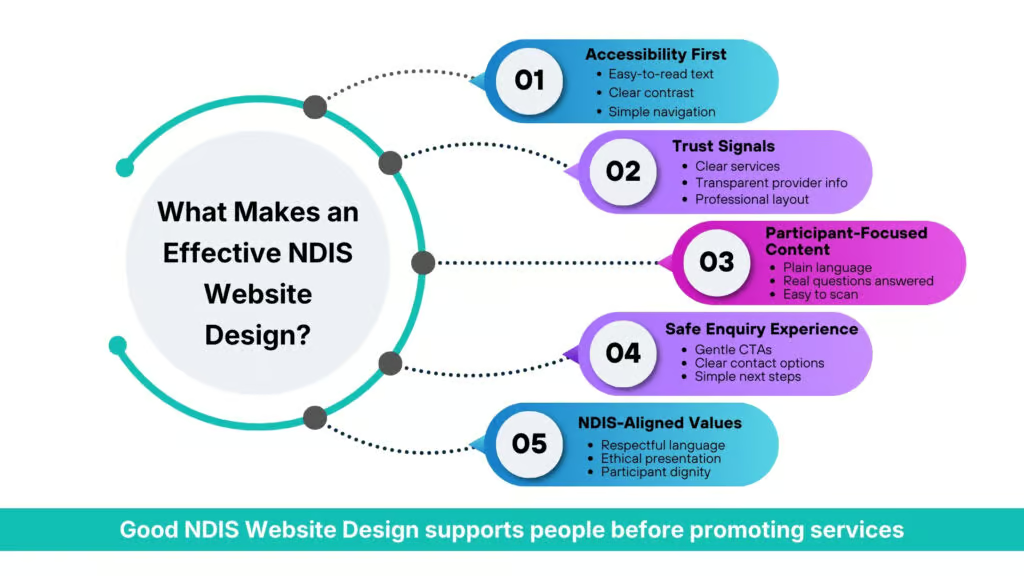
What Makes an Effective NDIS Website Design? We created an Infographic to break down the important elements
Strategy 3: Structure Content Around Participant Questions
You know the questions participants are asking. Now it’s time to align your website content with those questions.
Good Web Design Services know people visit your website looking for clear answers. They want real language they can understand, not abbreviations or confusing code.
NDIS websites need to embrace participant-focused content that supports ethical NDIS marketing. People already feel pressure when they visit your site, convince them you’re a trusted source of information.
Strategy 4: Make Your Website Feel Human and Local
NDIS providers aren’t faceless corporations. You care about participants and serve real communities.
Use your NDIS Website Design to humanise your brand. Showcase genuine images, location references across Australia, and embrace a friendly, respectful tone of voice.
Work with a Healthcare Branding Agency to ensure your website helps strengthen relationships with locals, not intimidate them.
Strategy 5: Create a Safe and Supportive Enquiry Experience
Asking for help shouldn’t be intimidating. That includes reaching out to your NDIS business.
Make sure your website is doing everything it can to simplify enquiries. Have clear contact details, provide ample reassurance through body text, and set expectations so people know what to expect after they reach out.
Your website shouldn’t pressure people to “contact us NOW.” Create a calm environment for people to reach out when they’re ready.
Strategy 6: Reflect NDIS Expectations Without Overwhelming Visitors
You don’t need to educate visitors about the NDIS on your website. But you DO need to meet their expectations by using respectful language, describing your NDIS services accurately, and being transparent about your provider status.
Strategy 7: Work With Web Design Services That Understand Healthcare
Your web designer makes a difference.
Agencies who specialise in healthcare know how to speak to participants without making people feel confused, overwhelmed, or (unintentionally) causing compliance issues.
Partnering with a Web Design Service who gets NDIS expectations and Accessibility Guidelines will serve you well in the long-run.
Conclusion: Your Website Is Part of Your Support
For NDIS providers, a website is not just a marketing asset — it is part of the participant experience. Thoughtfully delivered Web Design Services and effective NDIS Website Design help people feel respected, informed, and confident from their very first interaction.
A Gentle Next Step
If your current website feels unclear, outdated, or difficult for participants to use, it may be worth reviewing it through the lens of accessibility and trust. Even small design improvements can remove barriers and make a meaningful difference for the people who rely on your support.
Frequently Asked Questions
What makes NDIS Website Design different from regular web design?
NDIS Website Design prioritises accessibility, clarity, and trust. It is built for participants, families, and carers who may be under stress, ensuring information is easy to understand and navigate.
Is accessible web design important for NDIS providers?
Yes. Accessibility reflects inclusion and respect. It also improves usability for everyone, including carers and older users, and aligns closely with NDIS values.
Can better web design really increase participant enquiries?
Yes — but ethically. Clear and supportive design reduces confusion and builds confidence, making people more comfortable reaching out when they feel ready.
Should I choose a healthcare-focused web design agency?
Healthcare-focused agencies understand ethical boundaries, participant psychology, and NDIS sensitivity. This helps reduce risk and build long-term trust.