
When you first apply for the NDIS it can seem overwhelming. Emotional. Confusing. Especially if you’re already caring for someone with a disability, or living with a disability yourself. Thousands of Aussies put off applying for years just because they don’t know where to start, what information they need to provide or if they’ll even qualify.
We know you’ve been searching for how to apply for NDIS so we created this easy guide just for beginners. No confusing jargon. We walk you through each step of the application process and highlight common mistakes that can cause unnecessary delays.
As a Healthcare Marketing Agency that works closely with Disability and Healthcare providers all around Australia, we see first-hand how daunting the NDIS can be for newcomers. Our live client experiences inspired this guide. You’ll find it’s simplified, written in plain English and only contains information you really need to know.
We also cover how online tools can help. Including the right NDIS Website Design provider business. Digital support can make accessing information, finding the right provider and even filling out that application much easier for people with disabilities and their families. Many Disability support providers use Healthcare Marketing to reach their audience and ensure they can find necessary information with ease using a well-structured website.
What Is the NDIS and Who Is It For?
From a participant’s perspective, understanding the NDIS is not just about funding it’s about knowing where to find accurate information. This is why experienced agencies delivering Healthcare Marketing Services often focus heavily on education, clarity, and accessibility when supporting NDIS providers online.
The National Disability Insurance Scheme (NDIS) is an Australian Government program that provides funding and support to people with permanent and significant disabilities.
The goal of the NDIS is to help participants:
- Live more independently
- Build daily living and social skills
- Access therapies and assistive technology
- Participate in education, work, and community life
The scheme is administered by the National Disability Insurance Agency (NDIA). Official information and eligibility criteria are available directly on the government website.
Basic Eligibility Criteria You Must Meet
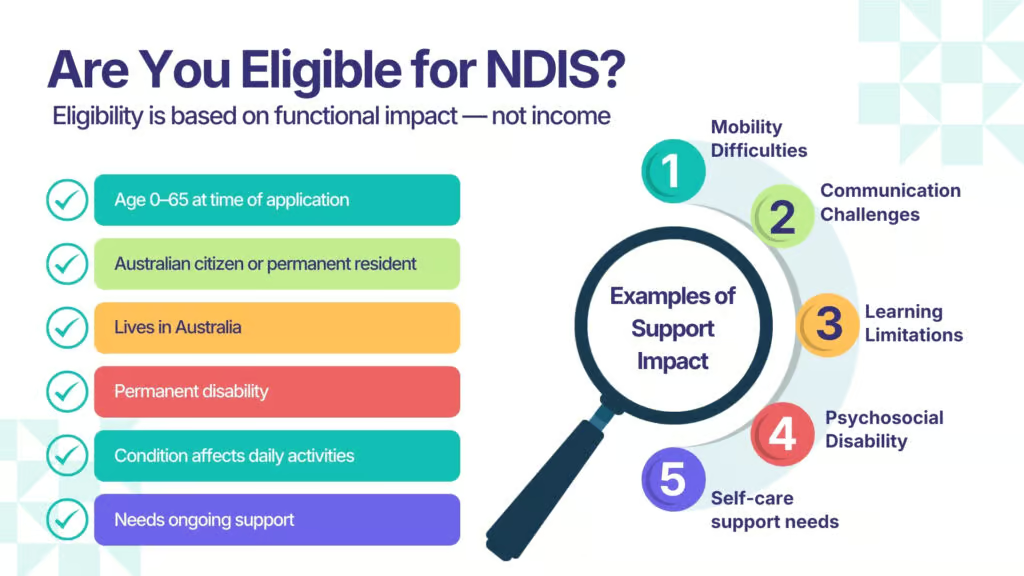
Before starting your application, it’s important to confirm that you meet the core eligibility requirements.
You may be eligible if you:
- Are aged between 0 and 65 at the time of application
- Are an Australian citizen, permanent resident, or Protected Special Category Visa holder
- Live in Australia
- Have a permanent disability that significantly affects daily functioning
Disabilities can include physical, intellectual, sensory, cognitive, or psychosocial conditions.
If your condition is episodic or likely to improve, you may still qualify but additional evidence is often required.
How to Apply for NDIS in 7 Simple Steps
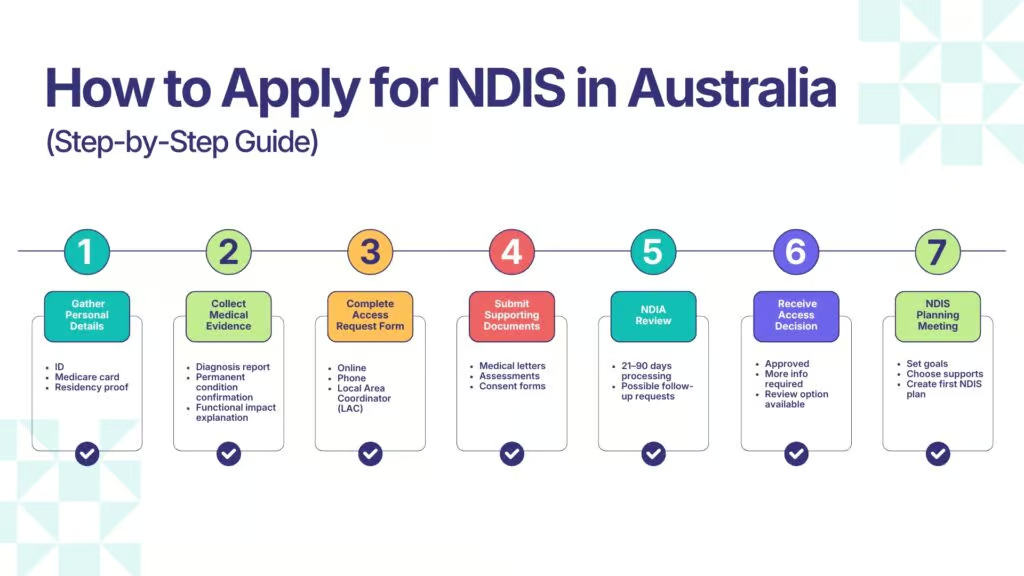
Below is a clear, beginner-friendly breakdown of the NDIS application process in 2026.
Step 1: Gather Your Personal Information
Before applying, have these details ready:
- Medicare card
- Proof of identity
- Proof of residency or visa status
- Contact details for your GP or specialist
Having this information prepared can significantly reduce processing delays.
Step 2: Collect Strong Medical Evidence
Medical evidence is the most important part of your application.
You’ll usually need:
- A letter or report from a GP, specialist, psychologist, or allied health professional
- Diagnosis details
- Confirmation the condition is permanent
- Explanation of how the disability impactsdaily life
NDIA decision-makers rely heavily on this documentation. Weak or unclear evidence is one of the biggest reasons applications are declined.
Step 3: Complete the NDIS Access Request Form
You can submit your request in three ways:
- Online through the NDIS website
- By phone via the NDIA
- With support from a Local Area Coordinator (LAC)
The form asks about your disability, daily challenges, and the supports you currently use.
Take your time; accuracy matters far more than speed.
Step 4: Submit Supporting Documents
Along with the Access Request Form, you’ll upload or provide:
- Medical reports
- Functional assessments
- Allied health letters
- Consent forms
If anything is missing, the NDIA may pause your application until documents are supplied.
Step 5: Wait for NDIA Review
Once submitted, the NDIA reviews your application.
Typical processing time:
- 21 to 90 days (can vary)
You may be contacted for:
- Additional evidence
- Clarification from health professionals
- Further assessments
During this stage, many applicants feel uncertain this is completely normal.
Step 6: Receive Your Access Decision
You’ll receive written confirmation stating whether:
- Your NDIS access has been approved, or
- Further information is required, or
- Your application was not successful
If approved, you move to planning. If declined, you can request a review of the decision.
Step 7: Attend Your NDIS Planning Meeting
Your planning meeting is where your funded supports are discussed.
You’ll talk about:
- Daily support needs
- Therapy requirements
- Mobility and equipment
- Community participation
- Long-term goals
After this meeting, your first NDIS plan is created.
Common Mistakes That Delay NDIS Approval
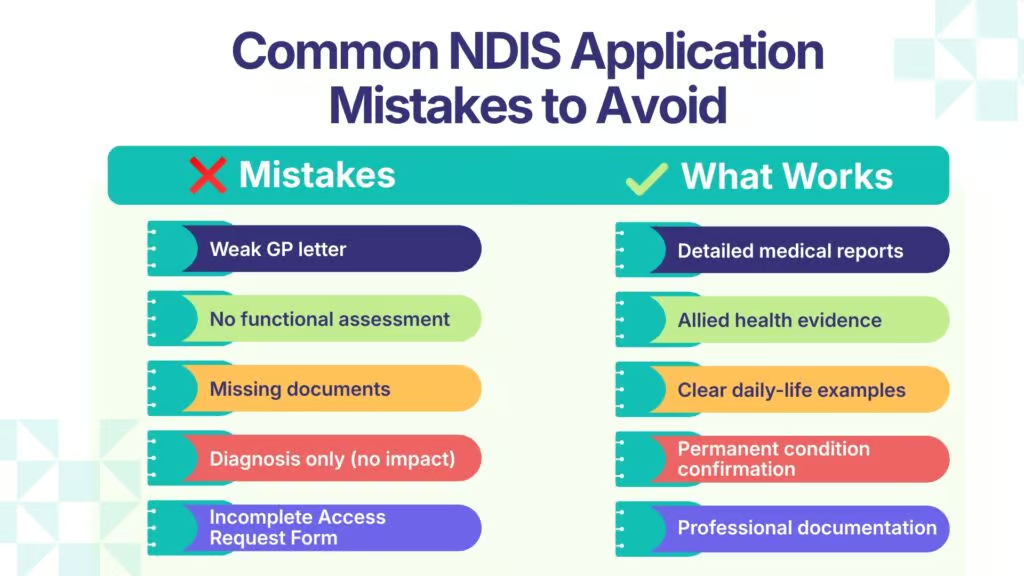
Many first-time applicants face delays due to avoidable issues, such as:
- Submitting incomplete medical evidence
- Using short GP letters instead of functional reports
- Not clearly explaining daily challenges
- Assuming diagnosis alone is enough
The NDIS focuses on functional impact, not just the medical condition.
What to Do If Your Application Is Rejected
A rejection does not mean you’re ineligible forever.
You can:
- Request an internal review
- Submit stronger medical evidence
- Seek advocacy support
- Reapply once documentation improves
Information on participant rights and complaints is available through the NDIS Quality and Safeguards Commission at NDIS Commission.
Why Clear Information and Digital Support Matter
Clear communication is essential in disability services. Providers that invest in structured NDIS marketing, accessible content, and professional Healthcare Web Design make it significantly easier for participants and families to understand eligibility, services, and next steps.
A strong digital presence supported by a specialised Healthcare Branding Agency ensures trust, transparency, and consistency – three elements that matter deeply when individuals are making decisions about disability support.
How Square Meters Digital Supports NDIS & Healthcare Providers
Navigating the NDIS system is challenging not only for participants but also for providers trying to reach the right people ethically and clearly. At Square Meters Digital, we operate as a specialised Healthcare Marketing Agency, focused on helping NDIS and healthcare organisations communicate with clarity, compliance, and compassion.
Our role is not clinical or advisory instead; we support providers by building strong digital foundations that make information easier to find and understand.
How we help healthcare and NDIS businesses:
- NDIS Website Design that prioritisesaccessibility, participant clarity, and trust
- SEO-focused Healthcare Marketing Services that help families find verified support options
- Purpose-driven NDIS marketing strategies aligned with government compliance standards
- Conversion-friendly Healthcare Web Design built for real users, not just algorithms
- Consistent messaging and visual identity through our Healthcare Branding Agency expertise
By improving how information is structured online, we help ensure participants spend less time confused and more time accessing the supports they need.
Trusted Australian Government Resources
For accurate and up-to-date information, always rely on official government sources, including:
- The National Disability Insurance Scheme
- The NDIS Quality and Safeguards Commission
- Australian Government Department of Health
These websites provide current eligibility criteria, forms, and participant rights.
Final Thoughts
Completing your NDIS application doesn’t have to be scary. When you know what to expect, gather good evidence and understand the process, it’s a lot easier.
If you’re completing your application for yourself, your child or another family member, take the time to prepare for your application. It can make all the difference to getting approved.
If you’re new here, pin this guide to read through the steps below one at a time. There are lots of supports out there and you don’t have to do this alone.
Frequently Asked Questions
How long does the NDIS application process usually take?
Most applications take between 3 weeks and 3 months. Timeframes depend on the quality of medical evidence provided and whether additional documents are requested by the NDIA.
Can I apply for NDIS without a formal diagnosis?
In most cases, a confirmed diagnosis is required. However, early intervention applications for children may be accepted with developmental delay evidence from qualified professionals.
Is NDIS funding income-based?
No. NDIS funding is not means-tested. Your income, employment status, or savings do not affect eligibility.
Can someone help me apply for NDIS?
Yes. You can receive help from local area coordinators, support coordinators, community advocates, or trusted family members.
What happens after my first NDIS plan is approved?
Once approved, you can choose registered providers, begin using supports, and request plan reviews if your circumstances change.
Can I change my NDIS plan later?
Yes. If your needs change, you can request a plan reassessment or review at any time.